
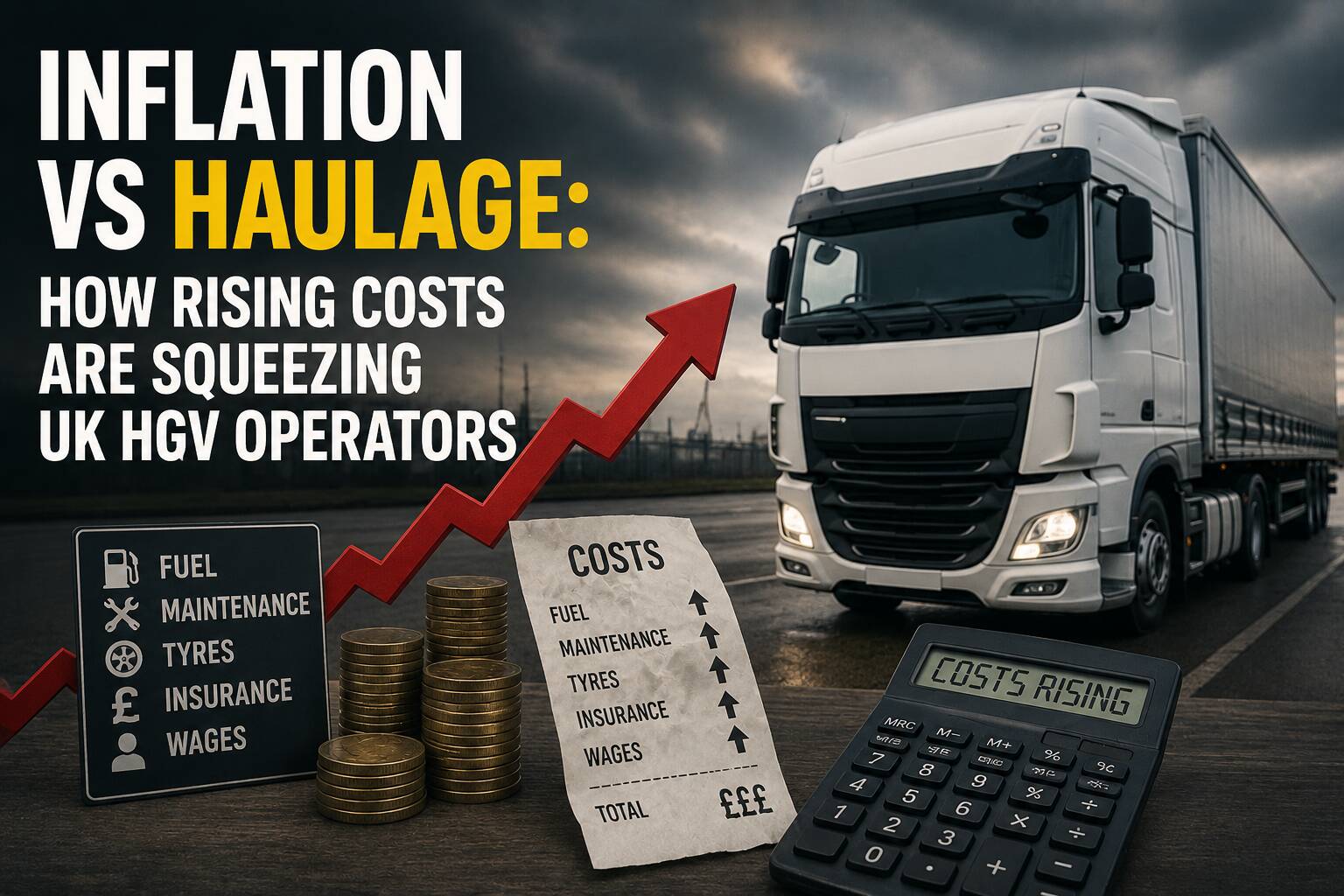
Inflation vs Haulage: How Rising Costs Are Squeezing UK HGV Operators
The UK haulage industry has always operated within tight margins, but in recent years many operators have faced unprecedented financial pressure. Rising inflation has increased the cost of almost every aspect of running an HGV business, from fuel and vehicle maintenance to wages and insurance. Whether you’re an owner-driver operating a single vehicle or…
The UK HGV Driver Shortage: Why Hauliers Are Still Struggling to Fill Seats
The UK’s haulage industry is the backbone of the economy. From supermarket deliveries and construction materials to manufacturing supplies and online shopping orders, Heavy Goods Vehicle (HGV) drivers play a critical role in keeping Britain moving. While the headlines surrounding the HGV driver shortage may have faded since the widely publicised crisis of 2021,…
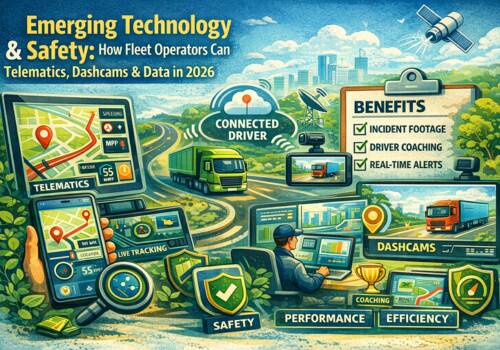
Emerging Technology & Safety: How Fleet Operators Can Harness Telematics, Dashcams & Data in 2026
In 2026, technology is no longer an optional extra for HGV operators — it’s central to fleet safety, efficiency, and insurance risk management. From dashcams and telematics to remote monitoring and predictive analytics, modern tools allow fleet managers to protect drivers, vehicles, and cargo like never before. For fleet operators, understanding these innovations isn’t…
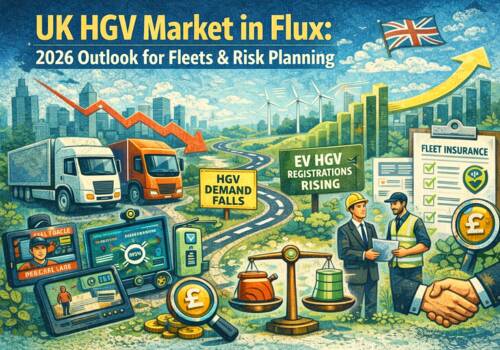
UK HGV Market in Flux: 2026 Outlook for Fleets & Risk Planning
The UK HGV market is experiencing significant shifts in 2026. While demand for freight remains strong, recent reports indicate a slowdown in HGV registrations, reflecting economic pressures and changing fleet renewal cycles. At the same time, electric vehicle (EV) HGV registrations are rising, signalling a clear transition toward low-emission transport. For fleet operators, understanding…
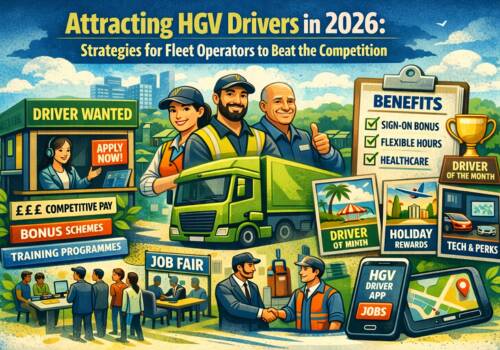
Attracting HGV Drivers in 2026: Strategies for Fleet Operators to Beat the Competition
The UK freight industry is once again facing a significant challenge that goes beyond logistics and fuel costs — the ongoing shortage of Heavy Goods Vehicle (HGV) drivers. Despite progress in recent years, forecasts suggest the sector will need around 40,000 new drivers each year through to 2029 to meet demand, equating to over 200,000…
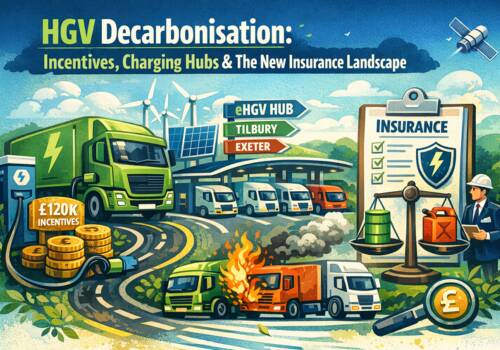
HGV Decarbonisation: Incentives, Charging Hubs & The New Insurance Landscape
The road to net-zero is no longer a distant vision for the UK freight industry—it’s happening now. Electric Heavy Goods Vehicles (eHGVs) are moving from pilot projects into commercial fleets, supported by government incentives, new charging infrastructure, and innovative fleet technology. For operators, this transition offers opportunities to reduce emissions—but it also introduces new considerations for…

UK HGV Driver Shortages: What’s Changed and What’s Still at Stake in 2026
An update from Isis Insurance — continuing our coverage of a long‑standing industry challenge For several years, Isis Insurance has been tracking the persistent shortage of HGV drivers across the UK haulage sector — an issue that impacts not just logistics businesses but also insurers, clients and the wider economy. Recent data from…
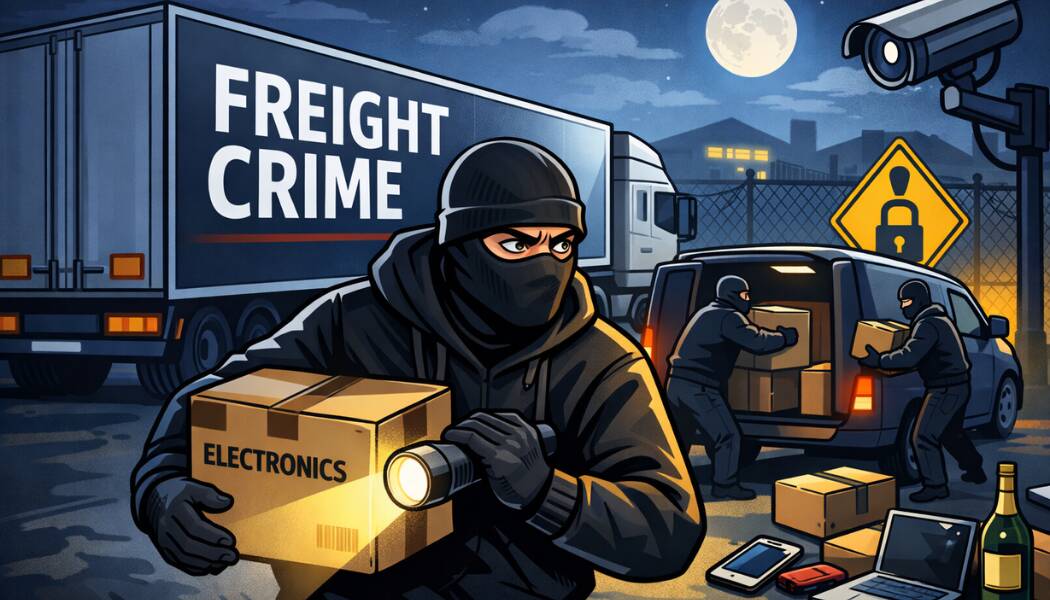
UK Freight Crime: Rising Threats to Haulage and How the Industry Is Responding
Freight crime has become one of the most significant challenges facing the UK haulage industry today. At Isis Insurance, we’ve been monitoring this issue closely, as it affects our clients’ operations, risk profiles, and insurance considerations. Recent reports reveal two concerning trends that hauliers, drivers, and insurers cannot ignore. Criminal Gangs Buying Haulage Companies…

How AI Dashcams and Telematics Are Reshaping HGV Insurance Premiums
The haulage and logistics industry is undergoing rapid change — and one of the biggest drivers is technology. AI-enabled dashcams and advanced telematics systems are no longer just “nice extras”; they are becoming essential tools for operators who want to improve safety, cut fuel costs, protect drivers… and reduce HGV insurance premiums. In…

What is “freight crime” — and how big is the problem?
Freight crime refers to thefts and losses involving goods in transit — typically goods on lorries / HGVs, in trailers, at warehouses, or at stops such as service stations, parking areas or industrial estates. It also includes organised “cargo crime” (fraud, hijackings, disguised theft, etc.), not just opportunistic thefts. According to data from the…